Sliding shower doors are a key factor in bathroom renovations, impacting both style and functionality. Their sleek design and space-saving benefits make them a popular choice, but many homeowners wonder what affects their cost.
The answer depends on several key considerations — from the type of glass and hardware materials used to custom design preferences and professional installation costs. Understanding these factors helps homeowners make an informed decision that balances style, durability, and affordability.
This detailed guide explores the essential elements that influence pricing, allowing you to plan your bathroom renovation budget more effectively while ensuring long-term value and quality.
The Role of Glass Type and Thickness
One of the most significant factors that affect the price of sliding shower doors is the type and thickness of the glass. Glass not only defines the overall look of the shower but also contributes to its strength, safety, and longevity.
Tempered glass is the industry standard for shower doors because it’s designed to shatter into small, blunt pieces rather than sharp shards, reducing the risk of injury. It’s also more heat-resistant and durable than regular glass. The thicker the glass, the sturdier and more premium the door will feel — but that durability also comes at a higher cost.
Typically, glass thickness ranges from 1/4 inch to 1/2 inch. Doors with 3/8 or 1/2-inch glass are generally more expensive due to their weight and the need for stronger hardware to support them. Frameless doors, which rely solely on thick tempered glass for structural stability, tend to cost more than framed or semi-framed models.
Homeowners seeking a more customized aesthetic can also choose from frosted, tinted, or textured glass options. These styles offer privacy and design versatility but add to the overall price due to specialized manufacturing processes.
Framed, Semi-Frameless, and Frameless Designs
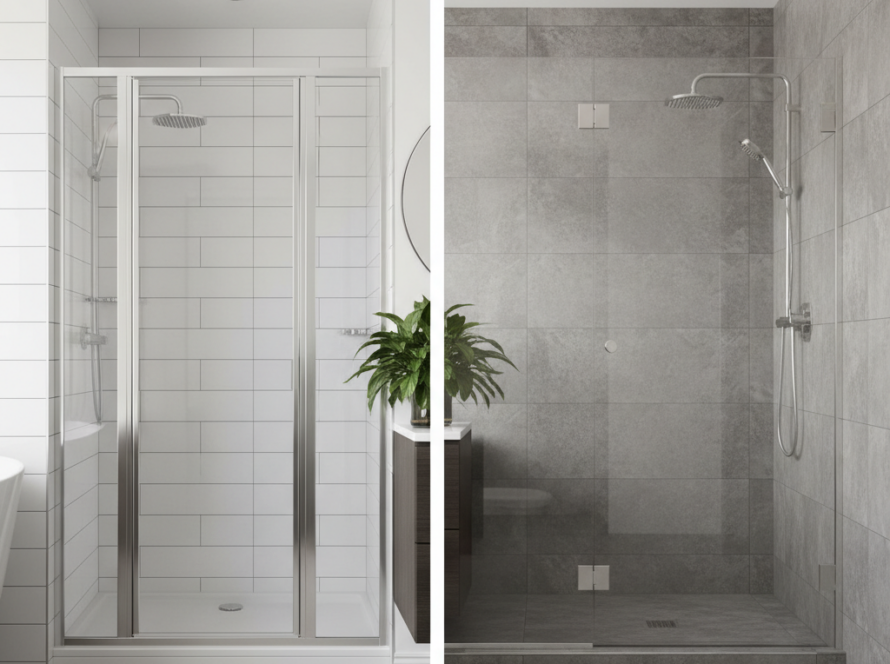
The structural design of a sliding shower door significantly affects its cost. Framed models are generally the most affordable option. They use lightweight glass panels supported by aluminum or stainless-steel framing, making them sturdy yet economical.
Semi-frameless doors, as the name suggests, strike a balance between durability and elegance. They feature minimal framing around the glass edges, allowing for a cleaner appearance without the higher cost of a fully frameless design.
Frameless sliding shower doors, on the other hand, are considered a luxury choice. Constructed from thick tempered glass without metal support around the edges, they create a seamless, modern look that enhances visual space. However, because of the need for stronger, precision-engineered hardware, frameless designs can cost considerably more to manufacture and install.
Hardware Material and Finish
Another key pricing component involves the type and quality of hardware used in the door’s construction. The tracks, rollers, handles, and brackets not only influence the door’s appearance but also determine its longevity and ease of operation.
High-quality stainless-steel or brass hardware offers superior durability and corrosion resistance compared to cheaper materials like aluminum or plastic. These components maintain their appearance and functionality for years, especially in humid bathroom environments.
The finish of the hardware also affects pricing. Polished chrome, brushed nickel, and matte black are among the most common finishes. While standard chrome tends to be the most affordable, matte or brushed finishes often come with a slight premium due to their aesthetic appeal and scratch resistance.
Some premium models feature hidden rollers or soft-close mechanisms, enhancing smooth operation and minimizing noise. These design upgrades, though subtle, can add to the cost but significantly improve user experience and long-term reliability.
Size and Dimensions of the Shower Opening
The dimensions of your shower space are one of the most practical yet impactful determinants of price. Standard shower door sizes are easier to produce and install, which keeps costs moderate. However, if your bathroom features a non-standard or uniquely shaped shower area, you’ll likely need a custom-sized door — and that can increase costs substantially.
Custom doors must be measured precisely and fabricated to fit specific dimensions, requiring more time and materials. Larger or wider doors need thicker glass and stronger support tracks to ensure safety and smooth operation. As a result, even minor variations in size can have a noticeable effect on pricing.
This is especially relevant for homeowners investing in bathroom remodels where the shower layout differs from standard configurations. A properly measured and fitted door ensures not just aesthetic appeal but also functional precision and watertight performance.
For homeowners exploring high-quality options that combine craftsmanship with affordability, sliding shower doors in Berwyn offer a diverse range of styles and materials tailored to different budgets and design preferences.
Customization and Design Features
Customization plays a major role in determining the final price of sliding shower doors. While standard models come with limited choices, custom doors allow for personalization in every detail — from glass pattern and tint to hardware finish and door style.
Adding etched designs, decorative handles, or built-in towel bars can increase costs but also elevate the visual appeal of your bathroom. Some homeowners choose frosted or rain-textured glass for privacy, while others prefer clear glass to maintain a bright, open feel.
Additionally, features such as dual-sliding panels or bypass configurations allow greater flexibility in design and functionality. These design choices, although more expensive, can enhance both convenience and the overall look of the bathroom.
Installation Complexity and Labor Costs
Installation is one of the most often overlooked cost factors when estimating the price of sliding shower doors. The complexity of the installation — including adjustments for uneven walls, floor leveling, or existing tile work — can greatly influence labor expenses.
Installing a frameless door, for instance, demands a higher degree of precision. The absence of a supporting frame means every measurement must be exact, and the glass must be perfectly level for smooth sliding. Professional installers charge more for such projects due to the expertise and time required.
In contrast, framed doors are simpler to install because the frame helps conceal small imperfections in wall alignment. While some DIY enthusiasts may attempt to install their doors, professional installation is strongly recommended to ensure safety, structural integrity, and warranty protection.
Brand, Quality, and Manufacturing Origin
Like most home improvement products, brand reputation and manufacturing origin influence the price of sliding shower doors. Well-known brands often invest in advanced technology, quality control, and durable materials — all of which contribute to higher prices but also to superior long-term value.
Locally manufactured doors can sometimes be more affordable due to lower shipping costs, while imported luxury models may come with additional fees for customs and logistics.
Choosing a reputable brand or local specialist ensures peace of mind, as these companies typically offer warranties on both materials and workmanship. This level of assurance is invaluable for homeowners looking to protect their investment.
Energy Efficiency and Maintenance Costs
Energy efficiency may not be the first thing that comes to mind when purchasing shower doors, but it’s worth considering. Properly sealed sliding shower doors prevent heat loss, creating a more comfortable showering experience. This contributes to reduced energy consumption from bathroom heating and ventilation systems.
Moreover, maintenance requirements also affect the long-term cost of ownership. Doors with high-quality seals and coated glass surfaces resist water stains and soap scum, reducing the time and effort required for cleaning. Some glass types are treated with a hydrophobic coating that repels water and minimizes buildup, keeping the surface clear and easy to maintain.
These small design advantages may add to the upfront cost but result in savings over time by reducing cleaning efforts and prolonging the door’s lifespan.
Regular upkeep is another cost factor to keep in mind. Homeowners often wonder, How Often Should Sliding Shower Doors Be Serviced? Routine servicing every six to twelve months ensures smooth operation, prevents roller wear, and extends the life of the door’s seals and hardware.
Comparing Pre-Made and Custom Sliding Shower Doors
Pre-made sliding doors are mass-produced in standard sizes, making them the most budget-friendly option. They are readily available and easy to install but offer limited flexibility in terms of design and fit. These models are ideal for straightforward installations where the shower dimensions align with standard specifications.
Custom sliding doors, on the other hand, are designed to fit unique bathroom layouts and specific aesthetic preferences. While they require a larger investment, they provide precise fit, premium materials, and options for personalization.
Homeowners who opt for custom designs often find the investment worthwhile, as a perfect fit eliminates gaps, prevents leaks, and enhances the overall look of the space. Custom doors also tend to offer longer warranties, reflecting the manufacturer’s confidence in their craftsmanship.
Cost Breakdown Example
To better understand how the various factors contribute to pricing, here’s a general overview:
- Basic framed sliding shower doors typically start around $400 to $700, depending on size and materials.
- Semi-frameless models usually range from $700 to $1,200, offering a blend of durability and elegance.
- Frameless sliding doors with premium hardware and thick tempered glass can range from $1,200 to $2,500 or more, especially for custom configurations or luxury finishes.
These prices exclude professional installation, which can add $300 to $800 depending on project complexity, location, and labor rates.
While these figures provide general guidance, actual costs vary based on design preferences, customization, and material quality.
Making the Right Investment Decision
When choosing a sliding shower door, it’s essential to balance your desired aesthetic with practicality and budget. Investing in high-quality materials and professional installation ensures your door operates smoothly for years and retains its appearance despite daily use.
A low-cost model might save money upfront, but poor seals, flimsy tracks, or subpar glass can lead to long-term problems such as leaks, corrosion, or hardware failure. In contrast, a well-constructed sliding shower door enhances the value of your home, provides lasting durability, and creates a luxurious feel every time you step into your bathroom.
Conclusion
Several factors influence the price of sliding shower doors, including glass type, hardware quality, design style, customization options, installation complexity, and brand reputation. Understanding these elements allows homeowners to make informed choices that align with their budget and long-term goals.
For those looking to combine quality, style, and reliability, Berwyn Glass offers custom glass solutions in Berwyn that cater to every bathroom size and aesthetic. With expertly crafted sliding shower doors designed for elegance and durability, homeowners can enjoy the perfect balance of luxury and practicality — an investment that enhances comfort and beauty for years to come.