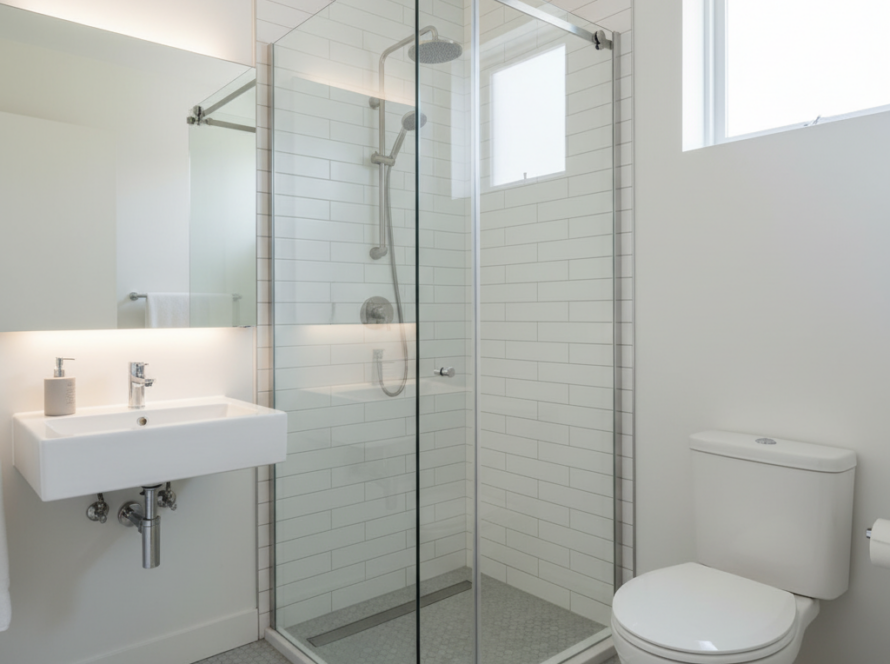
Hinged shower doors combine function and style; regular cleaning and maintenance keep them reliable and attractive. This guide gives concise, professional advice on glass cleaning, eco‑friendly products, hinge care, corrosion prevention, and when to seek professional services.
What Are the Best Practices for Cleaning Glass Shower Doors?
Use a consistent routine to prevent soap scum and mineral deposits: remove water after each use, perform a weekly clean, and always rinse and dry to avoid streaks.
- Daily Maintenance: Squeegee after each shower to limit mineral buildup.
- Weekly Cleaning: Apply a vinegar solution briefly, then rinse to remove soap scum and hard‑water marks.
- Rinsing and Drying: Rinse thoroughly and dry with a microfiber cloth for a streak‑free finish.
These simple steps preserve clarity and reduce the effort required for deeper cleans.
How Can Eco-Friendly Cleaners Prevent Mold and Corrosion?
Eco‑friendly cleaners remove grime while avoiding harsh solvents. Choose formulations that balance effectiveness with material safety.
- Non-Toxic Ingredients: Natural acids (for example, citric acid) break down deposits without aggressive chemicals.
- Effective Cleaning Properties: Many green cleaners clean and help protect surfaces from mold and corrosion.
- Surface Protection: Regular use can leave a light barrier, making future cleaning easier.
Using eco‑friendly products supports a safer shower environment and helps protect glass and metal components.
How Often Should You Perform Maintenance on Hinged Shower Door Hinges?
Regular hinge checks keep doors aligned and operating smoothly. A short inspection schedule prevents gradual wear from becoming a problem.
- Periodic Inspection: Check hinges every few months for rust, corrosion, or looseness.
- Tightening Loose Screws: Tighten any loose fasteners to maintain alignment and prevent damage.
- Annual Professional Evaluation: Consider a yearly professional check for peace of mind.
Routine attention extends hinge life and keeps doors working reliably.
What Are the Signs of Hinge Wear and How to Repair Them?
Watch for early signs of wear so you can act before repairs escalate.
- Loose Hinges: Tighten or replace hardware if the door wobbles or won’t close properly.
- Door Misalignment: Misalignment can cause gaps and leaks; adjust hinges or frame as needed.
- Lubrication Techniques: Use a silicone‑based lubricant to prevent sticking and corrosion.
Timely repairs preserve functionality and avoid larger repairs later.
Can Regular Cleaning Extend the Lifespan of Hinged Shower Doors?
Yes. Regular cleaning prevents deposits, gives opportunities to spot issues early, and avoids abrasive methods that can scratch glass.
- Prevention of Soap Scum Buildup: Frequent cleaning keeps scum from hardening.
- Regular Checks for Damage: Cleaning is a chance to inspect seals and hardware.
- Use of Non-Abrasive Cleaners: Protect glass clarity by avoiding abrasive products.
Consistent care improves durability and maintains appearance.
What Are the Advantages of Professional Hinged Shower Door Installation?
Professional installers ensure doors fit correctly, handle complications, and reduce risk during installation.
- Proper Fit and Measurements: Correct measurements prevent future alignment issues.
- Handling Installation Complications: Pros address unexpected site conditions efficiently.
- Safety During Installation: Professional work reduces the risk of injury or property damage.
Professional installation saves time and reduces the likelihood of installation‑related faults.
How Does Expert Installation Improve Door Functionality and Safety?
Skilled installation improves performance and compliance with codes while reducing leaks and safety risks.
- Compliance with Regulations: Professionals follow local building standards.
- Enhanced Security: Properly installed doors are less likely to fail or leak.
- Improved Energy Efficiency: Well‑fitted doors help maintain bathroom temperature and reduce energy waste.
Investing in expert installation improves safety and long‑term performance.
When Should You Request Professional Repair or Maintenance Services?
Engage professionals when problems are visible or persist after basic fixes.
- Visible Damage Signs: Cracks or chips in the glass require professional attention.
- Worn Seals: Replace compromised seals promptly to prevent leaks.
- Frequent Issues: Recurrent adjustments or repairs indicate the need for a professional evaluation.
Prompt professional service preserves integrity and function.
How Can You Prevent Mold and Corrosion on Hinged Shower Doors?
Prevent mold and corrosion with routine cleaning, good ventilation, and protective treatments for metal parts.
- Regular Cleaning: Clean surfaces to remove mold food sources.
- Adequate Ventilation: Use fans or open windows to lower humidity.
- Use of Protective Coatings: Apply appropriate coatings to metal components to reduce corrosion risk.
These measures help keep doors free from mold and extend service life.
Scientific literature documents the effectiveness of protective coatings, particularly those based on silicone polymers.
Silicone Sealants & Water Repellents for Shower Doors
The referenced review examines surface applications of silicone polymeric materials with an emphasis on polydimethylsiloxane (PDMS), the predominant commercial polymer. It covers applications such as elastomers and sealants, personal care products, antifoams, silicone surfactants, pressure‑sensitive adhesive release coatings, high‑voltage insulation, and water‑repellent coatings, which together represent a substantial portion of silicone usage. The aim of the review is to relate practical usage to the fundamental characteristics of the parent polymer, extending the structure/property relationship into applied contexts.
Surface applications of silicones, 2012
Which Maintenance Techniques Reduce Mold Growth on Shower Doors?
Target humidity and clean surfaces regularly to discourage mold.
- Control Humidity: Use exhaust fans or dehumidifiers to keep humidity low.
- Weekly Vinegar Treatment: A weekly vinegar spray helps inhibit mold on glass and seals.
- Inspect Hardware Regularly: Check seals and hardware to avoid trapped moisture.
These routine steps limit mold development and maintain appearance.
What Role Do Seals and Hardware Play in Corrosion Prevention?
Seals and hardware keep water away from vulnerable joints; maintaining them prevents moisture retention and corrosion.
- Preventing Moisture Retention: Proper seals stop water from reaching metal parts.
- Maintaining Seal Integrity: Replace damaged seals to preserve effectiveness.
- Regular Inspections: Monitor hardware for rust or wear and address issues early.
Proactive care protects components and extends service life.
For professional shower door installation and repair services, contact Berwyn Glass. Our technical team is available to assist with your glass requirements.
To learn more about hinged shower doors and other glass solutions, visit our website to review product and service options tailored to your needs.
If you have questions or require assistance, please reach out to us. We are available to address your glass‑related inquiries.
Frequently Asked Questions
What types of materials are best for hinged shower doors?
Tempered glass is standard for safety and strength; frames are typically stainless steel, aluminum, or durable plastic. Choose materials based on durability, upkeep needs, and desired style.
How can I remove hard water stains from my shower doors?
Make a paste of vinegar and baking soda, apply to stains for about 15 minutes, then scrub gently with a non‑abrasive sponge. Rinse and dry. For persistent deposits, use a glass‑safe commercial remover.
Are there specific tools recommended for cleaning shower doors?
Use a squeegee for daily drying, a non‑abrasive sponge for deeper cleans, and microfiber cloths for drying. Avoid steel wool and harsh scrubbers.
What should I do if my shower door is leaking?
Inspect and replace worn seals or gaskets, check hinge alignment and tighten screws, and consult a professional if leaks continue after basic adjustments.
How can I enhance the longevity of my shower door seals?
Clean seals with mild soap, avoid harsh chemicals, inspect regularly, replace at first sign of deterioration, and use a silicone‑based lubricant to maintain flexibility.
What are the benefits of using a shower door water repellent?
Water repellents form a protective barrier that reduces soap scum and mineral deposits, simplifies cleaning, and helps preserve glass clarity and metal components.
Conclusion
Consistent, gentle cleaning combined with regular inspections and targeted professional help preserves hinged shower doors. Use eco‑friendly cleaners where possible, maintain seals and hinges, and address issues early to extend service life and keep doors performing well.