When customers approach your business, the first thing they see is your storefront. Before they read your sign, before they check your hours, before they step through the door — they see your glass. Commercial storefront glass is not just a practical barrier between your business and the outside world; it is one of the most powerful branding and operational decisions a business owner can make.
Whether you are opening a new retail space, renovating an aging facade, or replacing damaged panels, this complete guide will walk you through everything you need to know — from material choices and design options to installation, maintenance, and cost. At Berwyn Glass, we have helped hundreds of business owners make smart, lasting decisions about their commercial glass installations. Here is what we have learned.
What Is Commercial Storefront Glass?
Commercial storefront glass refers to the glazing systems used in the front-facing exterior of commercial buildings — including retail shops, restaurants, offices, salons, and any other business that has a public-facing entrance. It typically includes large glass panels, retail glass doors, sidelights, transoms, and sometimes entire glass facades that span multiple floors.
Unlike residential windows, commercial glazing must meet higher performance standards. It needs to handle heavy foot traffic, withstand weather extremes, meet safety codes, and project a professional image that attracts customers. The system usually involves a combination of glass panels and a structural framing system — most commonly aluminum storefront framing — that holds everything together securely.
Why Your Business Entrance Glass Matters More Than You Think
Your business entrance glass does more than let light in. It is doing several jobs at once:
- First Impressions and Brand Perception A clean, modern shop front glass signals professionalism and attention to detail. Customers make snap judgments about a business’s quality, cleanliness, and trustworthiness based on its exterior. Cracked, cloudy, or outdated glass panels can drive potential customers away before they ever step inside.
- Natural Light and Customer Psychology Studies in retail design consistently show that natural light increases dwell time and purchase rates. A well-designed commercial glazing system floods your interior with daylight, making products look more appealing and creating a welcoming atmosphere that encourages customers to linger.
- Energy Efficiency Modern commercial glass technology has advanced dramatically. Today’s high-performance glass significantly reduces solar heat gain in summer and heat loss in winter, directly lowering your energy bills. This is especially important for businesses with large glass facade installations.
- Security The right glass specification provides meaningful security benefits. From tempered and laminated glass to impact-resistant glazing, your storefront can be a deterrent to smash-and-grab theft without looking like a fortress.
- Regulatory Compliance Most jurisdictions require commercial glass installations to meet specific safety codes — including requirements for tempered glass in doors and low-level panels. A professional commercial glass installation ensures you stay compliant and avoid costly liability issues.
Types of Commercial Storefront Glass Explained
Not all glass is created equal. Here is a breakdown of the most common types used in commercial applications:
Tempered Glass
Tempered glass is heat-treated to be significantly stronger than standard glass. When it breaks, it shatters into small, relatively harmless pebbles rather than dangerous shards. It is the code-required standard for retail glass doors and any glazing within 18 inches of a walking surface. For most storefronts, tempered glass is the baseline choice.
Laminated Glass
Laminated glass consists of two or more glass layers bonded with an interlayer (usually PVB or SGP). When broken, the glass adheres to the interlayer rather than falling away. This makes it ideal for overhead glazing, hurricane-prone regions, and high-security applications. Many businesses along busy streets choose laminated glass for their shop front glass to deter smash-and-grab theft.
Insulated Glass Units (IGU)
Also called double-pane or triple-pane glass, IGUs consist of two or three glass lites separated by a sealed air or gas-filled space. They dramatically improve thermal performance, making them the smart choice for any business owner who wants to reduce HVAC costs. If your storefront faces direct sun for several hours a day, upgrading to an IGU with a low-e coating is one of the best investments you can make.
Low-E Coated Glass
Low-emissivity (low-e) coatings are microscopically thin metallic layers applied to glass surfaces. They reflect infrared heat while allowing visible light to pass through. For commercial storefronts, low-e glass keeps interiors cooler in summer and warmer in winter without sacrificing the visibility and brightness your display needs.
Tinted and Reflective Glass
Tinted glass reduces glare and solar heat gain, while reflective glass provides a mirrored exterior appearance that is popular in modern glass facade designs. Both options offer privacy during daylight hours. Keep in mind that very dark tinting can reduce visibility into your storefront, which may not be ideal for retail environments that rely on window displays to attract passersby.
Aluminum Storefront Systems: The Industry Standard
When people refer to aluminum storefront framing, they are describing the most widely used structural system for commercial glazing. Here is why aluminum dominates the industry:
- Strength-to-weight ratio: Aluminum is strong enough to support large glass panels without the bulk of steel or wood.
- Corrosion resistance: Unlike steel, aluminum does not rust, making it ideal for exterior applications in all climates.
- Design flexibility: Aluminum can be extruded into virtually any profile, allowing for slim sight lines and clean, modern aesthetics.
- Finish options: Anodized, powder-coated, and painted finishes are available in hundreds of colors, allowing your storefront to match your exact brand palette.
- Sustainability: Aluminum is one of the most recycled materials in construction, making it a responsible choice for environmentally conscious businesses.
At Berwyn Glass, our aluminum storefront systems range from standard storefront profiles for smaller retail spaces to heavy commercial systems designed for high-traffic entrances and multi-story facades.
Designing Your Commercial Storefront Glass: Key Decisions
Before beginning any commercial glass installation, business owners should work through these core design decisions:
Frame Width and Sight Lines
Narrower frames allow more glass area and create a sleeker, more contemporary appearance. Wider frames provide additional structural support for large spans. Your glazing contractor will help you determine the appropriate framing based on your specific opening dimensions and local wind-load requirements.
Door Configuration
Your retail glass door setup is the centerpiece of your storefront. Common configurations include:
- Single swing doors — classic and cost-effective for lower-traffic locations
- Double swing doors — ideal for restaurants, salons, and boutiques
- Sliding doors — popular for high-traffic retail and grocery environments
- Automatic doors — optimal for accessibility compliance and convenience
- Pivot doors — a premium option that creates a dramatic, architectural entrance statement
Glass Area and Transparency
How much of your facade should be glass? For most retail businesses, maximizing glass area is beneficial — it showcases merchandise, creates an inviting atmosphere, and increases natural light. For offices or businesses with privacy needs, a partial glass facade with spandrel panels (opaque glass that conceals structural elements) may be the right balance.
Mullion Placement
Mullions are the vertical or horizontal dividing elements within a glazing system. Strategic mullion placement can add visual interest, break up large glass expanses, and create a more architectural look for your commercial glazing system.
Commercial Glass Installation: What to Expect
Understanding the installation process helps you plan your business around the project and ensures you can evaluate the quality of your contractor’s work.
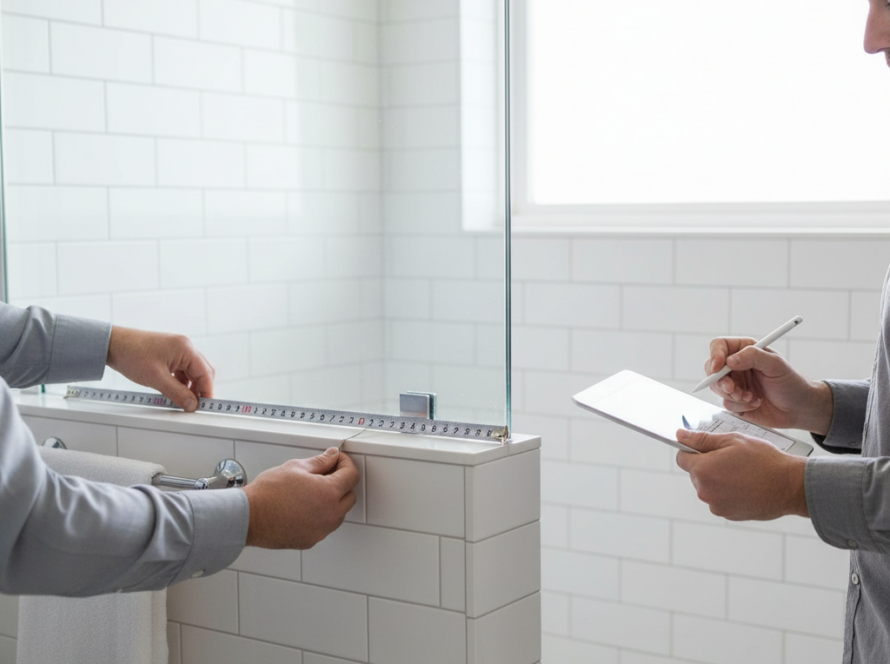
Step 1: Site Survey and Measurement A professional glazing contractor will visit your location to take precise measurements, assess structural conditions, and identify any drainage or flashing requirements. This step is critical — errors in measurement lead to costly delays and remakes.
Step 2: Permitting Most commercial glass installations require a building permit. Your contractor should handle the permit application on your behalf, providing stamped drawings if required by your local jurisdiction.
Step 3: Framing Installation The aluminum framing system is installed first, anchored to the building structure at the head, sill, and jambs. Proper anchoring and weatherproofing at these interfaces are essential for long-term performance.
Step 4: Glass Glazing Glass panels are installed into the frame, secured with setting blocks and glazing tape or silicone. Doors and hardware are hung and adjusted for smooth operation.
Step 5: Sealing and Weatherproofing All perimeter joints are sealed with high-quality silicone or sealant compatible with your framing system. This step prevents water infiltration, which is the leading cause of long-term damage in commercial storefronts.
Step 6: Final Inspection and Cleanup A quality contractor will conduct a thorough walkthrough with you, testing all door hardware, checking for proper seals, and cleaning the glass to a spotless finish.
Maintaining Your Commercial Storefront Glass
Proper maintenance extends the life of your investment and keeps your storefront looking its best year-round.
Cleaning: Use a squeegee and a mild, non-abrasive glass cleaner. Avoid razor blades on coated glass. Clean early morning or evening to prevent streaking from rapid drying in direct sunlight.
Inspect Seals Annually: Check perimeter silicone for cracking or separation each year. Failed seals allow water infiltration that can damage frames, flooring, and interior finishes. Berwyn Glass offers annual maintenance contracts that include seal inspection and touch-up.
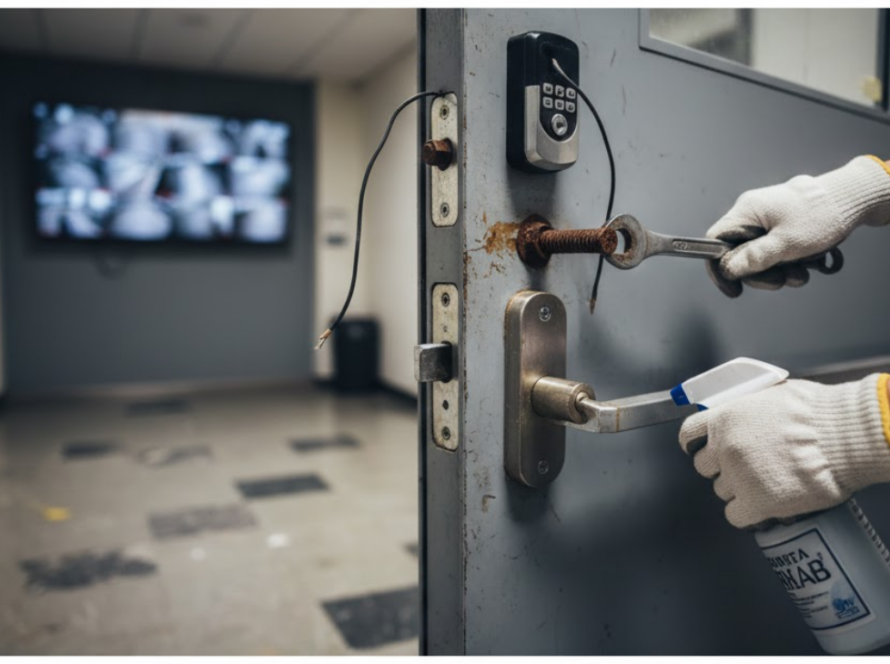
Hardware Lubrication: Door closers, pivots, and locks should be lubricated annually with appropriate hardware lubricant. This dramatically extends hardware life and keeps doors operating smoothly.
Address Chips and Cracks Immediately: A small chip in tempered glass can propagate into a full spontaneous break. Any damaged panel should be flagged for replacement before it becomes a safety or security issue.
How Much Does Commercial Storefront Glass Cost?
Cost varies significantly based on opening size, glass specification, door configuration, and local labor rates. As a general guide:
- Basic aluminum storefront with tempered glass: $80–$150 per square foot installed
- High-performance IGU with low-e coating: $120–$220 per square foot installed
- Laminated glass for security applications: $150–$280 per square foot installed
- Automatic door systems: $3,000–$8,000+ depending on door size and hardware
Keep in mind that investing in higher-performance glass often delivers a return through lower energy costs, reduced maintenance, and longer service life. A cheap installation that fails in five years costs far more than a quality system that lasts twenty.
Why Choose Berwyn Glass for Your Commercial Storefront?
At Berwyn Glass, we specialize exclusively in commercial glazing — it is all we do, and we do it well. Our team brings decades of hands-on experience to every project, from single-door replacements to full glass facade installations on multi-story commercial buildings.
Here is what sets us apart:
- Certified glaziers trained in all major aluminum storefront systems
- Full permit handling — we manage the paperwork so you can manage your business
- Premium glass sourcing from leading manufacturers
- Competitive, transparent pricing with detailed written proposals
- Post-installation warranty on both materials and labor
Whether you are a first-time business owner installing your very first commercial storefront glass or a property manager overseeing a portfolio of retail spaces, Berwyn Glass has the expertise and capacity to deliver results that last.
Final Thoughts
Your commercial storefront glass is one of the most visible and consequential investments in your business property. The right combination of glass type, framing system, and professional installation creates a storefront that attracts customers, performs efficiently, meets safety codes, and stands up to years of daily use.
Do not treat it as a commodity purchase. Take the time to understand your options, work with an experienced commercial glazing contractor, and invest in quality materials that will serve your business for decades.
Ready to upgrade your storefront? Contact Berwyn Glass today for a free site consultation and detailed proposal. Our team is ready to help you make the best decision for your business — from the first measurement to the final squeegee.