
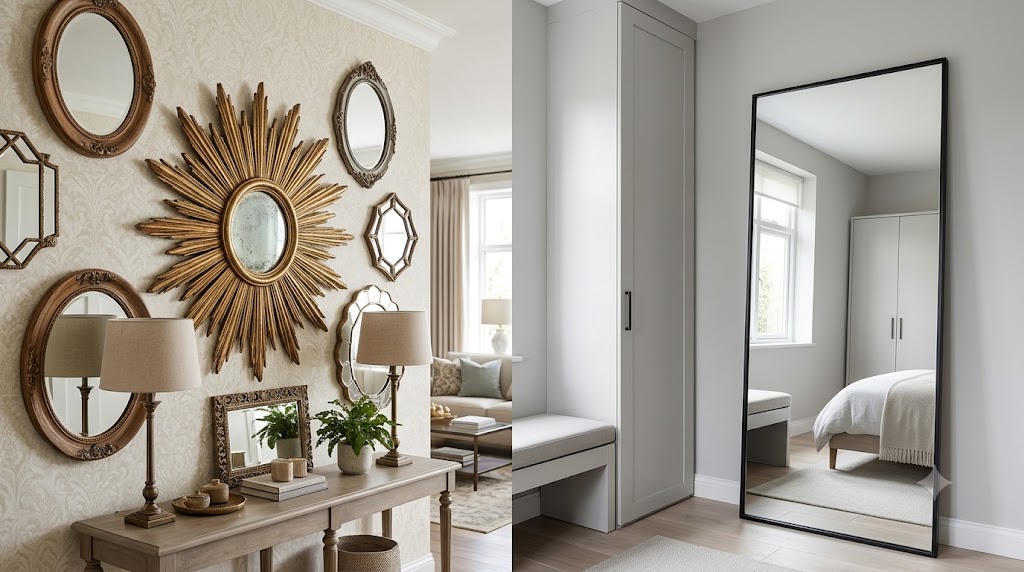
Decorative vs Functional Types of Mirrors: Key Differences
Mirrors have become an essential design element in modern homes, serving purposes that go far beyond simple reflection. While mirrors were once primarily installed for practical use, today they play a significant role in interior design, helping homeowners create brighter, larger, and more visually appealing spaces. As residential design trends continue to evolve, understanding the difference between decorative and functional mirrors has become increasingly important.
Many homeowners struggle to determine which mirror style best suits their needs because both options offer unique benefits. Some mirrors are designed primarily to enhance aesthetics and serve as statement pieces, while others focus on practicality and everyday use. Knowing how these mirror categories differ can help homeowners make informed decisions when selecting the right mirror for each room.
Understanding the various Types of Mirrors and their intended purposes allows homeowners to balance style, functionality, and design efficiency throughout their living spaces. Whether furnishing a bathroom, bedroom, living room, hallway, or entryway, choosing the right mirror can significantly impact both appearance and usability.
Why Mirrors Matter in Modern Home Design
Modern interior design focuses heavily on maximizing natural light, improving functionality, and creating visually balanced environments. Mirrors contribute to all three objectives. A strategically placed mirror can reflect sunlight into darker areas, create the illusion of more space, and enhance the overall atmosphere of a room.
In many homes, mirrors are used to complement furniture, artwork, architectural details, and lighting fixtures. Designers often consider mirrors one of the most versatile décor elements because they can adapt to virtually any design style, from traditional and rustic to contemporary and minimalist.
As homeowners invest more in home improvement projects, understanding the distinction between decorative and functional mirrors becomes increasingly valuable when planning interior upgrades.
What Are Functional Mirrors?
Functional mirrors are designed primarily for practical everyday tasks. Their main purpose is to provide a clear and accurate reflection that assists with grooming, dressing, hygiene, and personal care activities. These mirrors prioritize usability over decorative appeal.
Functional mirrors are commonly installed in bathrooms, dressing rooms, closets, and entryways. They are often positioned in locations where homeowners need reliable reflections for daily routines. While these mirrors may still contribute to a room’s appearance, their primary purpose remains functionality.
Most functional mirrors emphasize clarity, durability, and proper sizing to support their intended use. Homeowners typically choose these mirrors based on performance rather than visual impact.
Common Examples of Functional Mirrors
Several mirror styles fall into the functional category. Bathroom mirrors are among the most common examples because they support daily grooming activities such as shaving, brushing teeth, skincare, and makeup application.
Full-length mirrors are another popular option. These mirrors allow individuals to view their entire appearance before leaving home and are frequently installed in bedrooms, closets, and dressing areas.
Vanity mirrors provide close-up reflections that assist with detailed grooming tasks. Many modern vanity mirrors include LED lighting, magnification features, and adjustable brightness settings that improve visibility and convenience.
Smart mirrors represent a more advanced category of functional mirrors. These mirrors integrate technology such as weather displays, calendars, fitness tracking, and voice controls while maintaining their practical reflective purpose.
Benefits of Functional Mirrors
One of the primary advantages of functional mirrors is their practicality. They simplify daily routines and help homeowners perform grooming and dressing tasks efficiently. Because they are designed for regular use, they often provide superior reflection quality and durability.
Functional mirrors also contribute to improved lighting conditions. In bathrooms and dressing areas, mirrors can reflect both natural and artificial light, creating brighter and more usable environments.
Another benefit is their versatility. Functional mirrors are available in numerous sizes, shapes, and mounting options, making them suitable for virtually any room in the home.
While functionality remains their primary focus, many modern functional mirrors also incorporate attractive design features that allow them to blend seamlessly into contemporary interiors.
What Are Decorative Mirrors?
Decorative mirrors serve a different purpose. Rather than focusing primarily on reflection and daily use, decorative mirrors are intended to enhance a room’s visual appeal. They often function as artwork, statement pieces, or focal points within an interior design scheme.
Decorative mirrors come in a wide variety of shapes, sizes, and frame styles. Some feature intricate detailing, artistic patterns, geometric designs, or unique finishes that draw attention and add character to a space.
While decorative mirrors still provide reflection, their primary objective is to contribute to the overall aesthetic of a room. They are commonly used in living rooms, dining rooms, hallways, entryways, and above fireplaces where visual impact is a priority.
Understanding these decorative Types of Mirrors can help homeowners create sophisticated interiors that reflect their personal style.
Popular Decorative Mirror Styles
Decorative mirrors are available in countless styles that suit different design preferences. Sunburst mirrors remain a popular choice because their radiating frames create dramatic visual interest. Geometric mirrors offer a contemporary appearance that complements modern interiors.
Antique mirrors provide vintage charm through distressed finishes and aged glass effects. These mirrors add warmth and character while creating a sense of timeless elegance.
Framed mirrors often fall into the decorative category when their frames become the primary design feature. Ornate wood carvings, metallic finishes, and custom frame designs can transform a simple mirror into a striking piece of décor.
Mirror wall arrangements are another decorative trend. Instead of using a single large mirror, homeowners create artistic displays using multiple smaller mirrors arranged in creative patterns.
Benefits of Decorative Mirrors
Decorative mirrors offer significant aesthetic advantages. They help define a room’s style, create focal points, and enhance visual balance. Because mirrors naturally reflect light, decorative mirrors can make spaces feel brighter and more inviting while simultaneously serving as design elements.
They also contribute to perceived spaciousness. A decorative mirror placed strategically in a smaller room can create an illusion of depth, making the area feel larger and more open.
Many homeowners use decorative mirrors to highlight architectural features, showcase furniture arrangements, or add sophistication to otherwise plain walls. Their versatility allows them to complement virtually any design style.
Key Differences Between Decorative and Functional Mirrors
Although both mirror categories share certain characteristics, several important distinctions separate them.
| Feature | Decorative Mirrors | Functional Mirrors |
|---|---|---|
| Primary Purpose | Aesthetic enhancement | Practical everyday use |
| Placement | Living rooms, hallways, entryways | Bathrooms, bedrooms, closets |
| Design Focus | Artistic appearance | Reflection quality |
| Frame Importance | Often a major design feature | Usually secondary |
| Lighting Features | Less common | Frequently included |
| Magnification | Rarely included | Often available |
| Technology Integration | Limited | Common in smart mirrors |
| Everyday Usage | Occasional | Frequent |
Understanding these differences helps homeowners choose mirrors that align with their specific goals and room requirements.
Can a Mirror Be Both Decorative and Functional?
In many modern homes, mirrors successfully combine both decorative and functional qualities. Designers increasingly create mirrors that provide excellent reflection while also contributing to a room’s visual appeal.
For example, a large framed bathroom mirror may serve practical grooming needs while enhancing the room’s design. Similarly, a full-length mirror with an elegant frame can function as both a dressing mirror and a decorative statement piece.
Many homeowners prefer mirrors that offer this dual functionality because they maximize value and efficiency while reducing the need for additional decorative accessories.
These hybrid solutions demonstrate how modern Types of Mirrors continue evolving to meet both practical and aesthetic demands.
Choosing the Right Mirror for Each Room
Selecting the ideal mirror depends largely on the room’s purpose. Bathrooms benefit most from functional mirrors that provide clear reflections and adequate lighting. Bedrooms often require full-length mirrors for dressing purposes, while living rooms may prioritize decorative designs that complement furniture and décor.
Entryways can benefit from both functional and decorative mirrors. Homeowners appreciate having a mirror available before leaving the house while also creating an inviting first impression for guests.
Dining rooms often feature decorative mirrors because they help reflect light, enhance visual depth, and contribute to a more elegant atmosphere.
Understanding how each room functions helps determine whether decorative, functional, or hybrid mirror solutions are most appropriate.
Current Trends in Mirror Design
Modern mirror trends increasingly blur the line between decorative and functional designs. Frameless mirrors remain popular for their minimalist appearance, while smart mirrors continue gaining traction due to their technological capabilities.
Oversized mirrors have become a preferred choice among homeowners seeking to maximize natural light and create dramatic visual effects. Custom mirror installations are also growing in popularity because they allow homeowners to tailor designs to specific spaces.
Antique-inspired mirrors, geometric shapes, and mixed-material frames continue to dominate contemporary interior design projects, offering homeowners a wide range of options that balance style and practicality.
The Impact of Mirrors on Home Value
Mirrors can positively influence a home’s perceived value when selected and installed properly. Well-designed mirror features enhance interior aesthetics, improve lighting, and create a sense of spaciousness that appeals to potential buyers.
Functional mirrors contribute to usability and convenience, while decorative mirrors add sophistication and visual interest. Together, they help create interiors that feel polished, modern, and thoughtfully designed.
Investing in quality mirrors often delivers long-term benefits by enhancing both everyday living and overall property presentation.
Frequently Asked Questions
1. What is the main difference between decorative and functional mirrors?
Decorative mirrors primarily enhance aesthetics, while functional mirrors are designed for practical tasks such as grooming, dressing, and personal care.
2. Can decorative mirrors still be used for reflection?
Yes. Decorative mirrors provide reflection, but their primary purpose is to contribute to a room’s design and visual appeal.
3. Are bathroom mirrors considered functional mirrors?
Yes. Bathroom mirrors are one of the most common examples of functional mirrors because they support daily grooming activities.
4. Which mirror type is best for small rooms?
Large wall mirrors, whether decorative or functional, can help small rooms appear larger by reflecting light and creating visual depth.
5. Can one mirror serve both decorative and functional purposes?
Absolutely. Many modern mirrors combine attractive design features with practical functionality, offering the benefits of both categories.
Conclusion
Understanding the differences between decorative and functional Types of Mirrors allows homeowners to make smarter design decisions that improve both aesthetics and usability. Functional mirrors provide the practical reflections needed for everyday activities, while decorative mirrors enhance the visual appeal of living spaces and contribute to a home’s overall design style. Many modern mirror designs successfully blend these two purposes, offering homeowners the best of both worlds. By carefully selecting mirrors based on room function, lighting conditions, and design goals, homeowners can create brighter, more attractive, and more efficient interiors. For high-quality mirror and glass solutions tailored to modern homes, Berwyn Glass provides professional craftsmanship and expertise to help bring any design vision to life.