
Energy efficient glass for homes: double glazing, Low-E and what to choose
If you’ve ever stood near a window on a cold winter evening and felt a chill despite the heating being on, the problem isn’t your boiler — it’s your glass. Choosing the right energy efficient glass for homes is one of the most impactful upgrades a homeowner can make. It reduces heat loss, lowers energy bills, cuts carbon emissions, and improves everyday comfort. But with so many options — double glazed glass, Low-E glass, insulated glass units, and more — the decision can feel overwhelming.
This guide from Berwyn Glass breaks down everything you need to know so you can make a confident, informed choice.
Why Energy Efficient Glass Matters for Your Home
Windows are one of the biggest sources of heat loss in a property. According to the Energy Saving Trust, heat escaping through windows accounts for roughly 18% of all heat lost in an average UK home. That’s a significant figure — and it explains why upgrading to energy efficient windows is consistently ranked among the most cost-effective home improvements available.
Beyond the bills, there’s the comfort factor. Rooms with poor glazing suffer from cold spots, condensation, and draughts that make them unpleasant to use year-round. Modern thermal glass technology has advanced considerably in recent years, and today’s solutions offer performance levels that were unimaginable even a decade ago.
Whether you’re replacing windows in a Victorian terrace, a 1970s semi-detached, or a newly built property, understanding your glazing options is the first step to making the right upgrade.
What Is Double Glazed Glass?
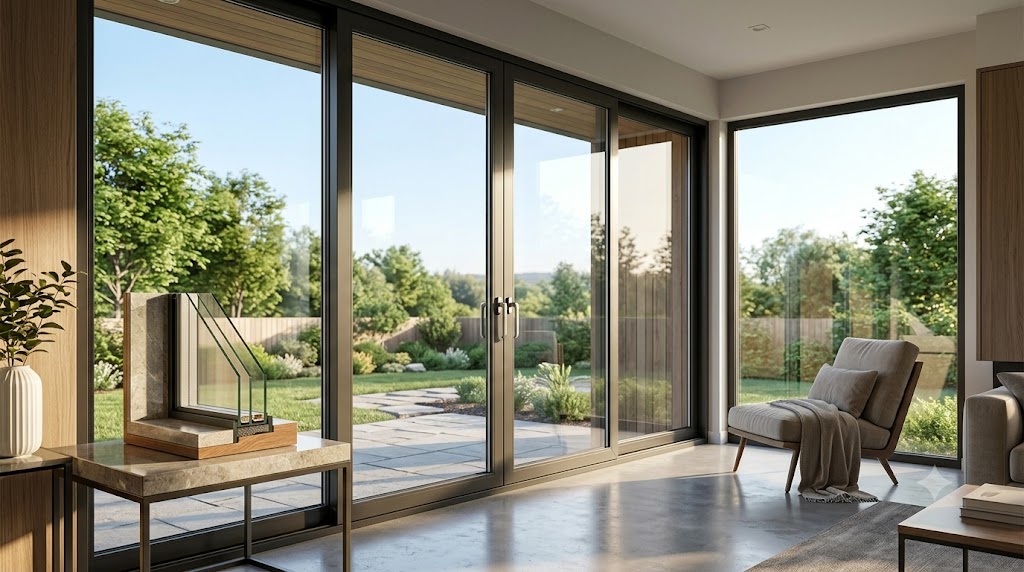
Double glazed glass — also known as an insulated glass unit (IGU) — consists of two panes of glass separated by a spacer bar and sealed to create an airtight cavity. This cavity is typically filled with either dehydrated air or, more commonly in modern units, an inert gas such as argon or krypton.
The principle is simple: the space between the panes acts as a thermal buffer, significantly reducing the rate at which heat passes through the window. A single pane of glass has almost no insulating capability. Double glazing changes that completely.
Key Components of a Double Glazed Unit
- Two glass panes — typically 4mm each, though thickness can vary
- Spacer bar — maintains the gap between panes, usually 12–20mm wide
- Gas fill — argon is standard; krypton offers better performance in narrower gaps
- Warm-edge spacer — a modern upgrade that reduces heat loss at the window edge
- Sealant — prevents moisture ingress and maintains the unit’s integrity
At Berwyn Glass, we use warm-edge spacer technology as standard, which improves the overall energy performance of the unit by addressing the thermal bridge effect that can occur at the glass perimeter.
The Benefits of Double Glazing
- Reduced heat loss — U-values typically between 1.0 and 2.0 W/m²K compared to 5.6 W/m²K for single glazing
- Less condensation — the inner pane stays warmer, reducing the likelihood of moisture forming
- Sound insulation — the air gap also helps dampen external noise
- Lower energy bills — less heat escapes, so your heating works more efficiently
- Improved security — two panes are significantly harder to break than one
What Is Low-E Glass?
Low-E glass (short for low-emissivity glass) takes energy efficiency a step further. While standard double glazing reduces heat loss through conduction and convection, Low-E glass addresses radiant heat loss — the third mechanism by which warmth escapes through a window.
It does this through a microscopically thin metallic coating applied to one surface of the glass. This coating is invisible to the naked eye but acts like a mirror for long-wave infrared radiation — the type emitted by your radiators, furniture, and body heat. It reflects this warmth back into the room rather than letting it escape outward.
How Low-E Coatings Work
The coating is applied to either the inner face of the outer pane (known as surface 2) or the inner face of the inner pane (surface 3) within the insulated glass unit. The position of the coating affects performance:
- Hard coat Low-E — applied during the float glass manufacturing process; more durable but slightly less thermally efficient
- Soft coat Low-E — applied after manufacturing via a vacuum deposition process; offers superior insulation but must be protected within a sealed unit
Most modern energy saving windows use soft coat Low-E glass because of its enhanced thermal performance. At Berwyn Glass, our standard double glazed units incorporate soft coat Low-E as default, delivering U-values as low as 1.1 W/m²K.
The Advantages of Low-E Glass
- Superior thermal retention — keeps warmth inside during winter
- Solar control — certain Low-E variants also limit summer heat gain, keeping rooms cooler
- UV protection — reduces fading of carpets, furniture, and fabrics
- No visible difference — the coating is virtually imperceptible to the eye
- Better glazing energy rating — contributes to higher Window Energy Ratings (WER)
Understanding Glazing Energy Ratings
When shopping for energy efficient windows, you’ll encounter the glazing energy rating system — a label similar to those found on fridges and washing machines. In the UK, the British Fenestration Rating Council (BFRC) assigns windows a rating from A++ (the most efficient) down to G (least efficient).
The rating takes into account three factors:
- Thermal transmittance (U-value) — how much heat escapes through the glass
- Solar factor (g-value) — how much solar heat the window allows in
- Air leakage — how much draught passes around the frame
A Window Energy Rating of Band C or above is generally considered acceptable for new installations. Bands A and A+ are increasingly standard for modern replacements. At Berwyn Glass, all our units are independently rated and clearly labelled, so you always know what you’re getting.
Triple Glazing: Is It Worth It?
Triple glazing adds a third pane of glass and a second gas-filled cavity. On paper, this sounds like an obvious upgrade from double glazing — and in some circumstances, it is. But the decision isn’t always straightforward.
Pros of triple glazing:
- U-values can reach as low as 0.6–0.8 W/m²K
- Exceptional noise reduction
- Near elimination of cold draughts near windows
- Best suited to highly insulated, airtight properties
Cons to consider:
- Heavier units require stronger frames
- Higher upfront cost
- Reduced solar gain can be a disadvantage in colder climates where passive solar heat is beneficial
- Diminishing returns if the rest of the building envelope isn’t similarly insulated
For most UK homes — particularly those that aren’t built to Passivhaus standards — high-performance double glazing with Low-E coating delivers excellent results at a more accessible price point. Triple glazing is most beneficial in new builds, north-facing elevations, or properties with unusually high noise requirements.
How to Choose the Right Energy Efficient Glass for Your Home
Selecting the right thermal glass isn’t a one-size-fits-all decision. The best choice depends on several variables specific to your property and your priorities.
1. Consider Your Climate and Orientation
North-facing windows lose more heat and gain less solar warmth. These benefit most from maximum thermal retention — a high-performance Low-E unit or triple glazing may be worth considering. South-facing windows receive more direct sunlight and may benefit from a solar control Low-E variant that limits summer overheating while still retaining winter warmth.
2. Think About Your Frame Material
The energy performance of a window is a product of both the glass unit and the frame. uPVC frames are thermally efficient and low maintenance. Aluminium frames can be equally impressive when combined with a thermal break. Timber offers natural insulation properties but requires more upkeep. Whatever frame material you choose, pairing it with a high-specification insulated glass unit ensures you get the most from your investment.
3. Check the U-Value
The U-value measures how quickly heat passes through a material. Lower is better. For modern energy efficient windows:
| Glass Type | Typical U-Value |
|---|---|
| Single glazing | 5.6 W/m²K |
| Standard double glazing | 2.8 W/m²K |
| Argon-filled double glazing | 1.4–1.6 W/m²K |
| Low-E double glazing | 1.0–1.2 W/m²K |
| Triple glazing (Low-E) | 0.6–0.8 W/m²K |
Look for units with a whole-window U-value (not just the glass centre-pane value) of 1.4 W/m²K or below for a meaningful upgrade on older glazing.
4. Look for the BFRC Label
Always ask for glazing energy rated products when purchasing. The BFRC label gives you independent, standardised data rather than manufacturer claims alone. Berwyn Glass supplies only BFRC-rated units and can help you interpret ratings and select the right specification for each application.
5. Don’t Overlook the Spacer Bar
The spacer bar that separates the two panes is a common source of thermal bridging — heat conducting across the edge of the unit. Traditional aluminium spacers are efficient conductors of heat, which undermines the performance of the glass itself. Warm-edge spacer bars made from materials such as thermoplastic reduce this effect substantially and are a hallmark of a quality insulated glass unit.
Signs It’s Time to Replace Your Glazing
Not sure whether your current windows are due for an upgrade? These are the clearest indicators:
- Condensation between panes — a failed seal means the insulating gas has escaped and moisture has entered
- Cold spots near windows — noticeable temperature differences close to the glass
- Draughts — air ingress around the frame or through degraded seals
- Single glazing still in place — single pane windows offer virtually no thermal resistance
- Windows more than 20 years old — technology has improved significantly; older units rarely match modern performance standards
- Rising energy bills — if your home feels harder to heat, poor glazing is often a contributing factor
Why Choose Berwyn Glass?
At Berwyn Glass, we’ve been supplying and fitting high-performance glazing solutions to homeowners across the region for years. We understand that energy efficient glass for homes isn’t just a technical specification — it’s an investment in comfort, sustainability, and long-term savings.
Our range includes:
- Argon-filled double glazed units with warm-edge spacer bars
- Soft coat Low-E glass for maximum thermal retention
- Solar control glazing for south-facing and conservatory applications
- Triple glazed units for the highest performance requirements
- Acoustic glazing for properties near busy roads or flight paths
Every unit we supply is BFRC-rated, manufactured to BS EN 1279 standards, and backed by a comprehensive guarantee. Our team is happy to advise on the best specification for your property — whether you’re replacing a single failed unit or upgrading an entire home.
Final Thoughts
The right energy efficient glass for homes can transform the way you experience your living space — warmer in winter, cooler in summer, quieter year-round, and noticeably cheaper to heat. Whether you opt for double glazed glass with Low-E coating, an upgraded insulated glass unit with warm-edge technology, or full triple glazing for a new build or major renovation, the improvement over older or single-pane glazing is significant.
With glazing energy ratings making comparison straightforward and technology continuing to advance, there has never been a better time to invest in your windows. Energy saving windows pay back their cost over time — not just in money, but in the daily comfort of a home that actually holds its warmth.
If you’d like expert guidance on which thermal glass solution is right for your property, speak to the team at Berwyn Glass today.