
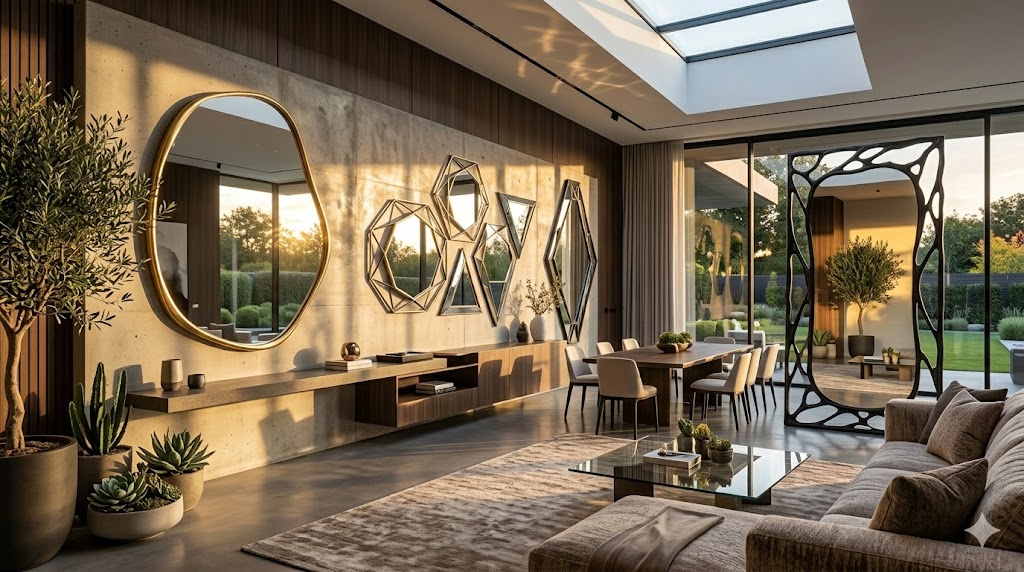
Modern Wall Mirrors: Styles That Elevate Interior Design
Modern wall mirrors serve as both functional and decorative elements in interior design, enhancing the aesthetic appeal of any space. These mirrors come in various styles, shapes, and sizes, allowing homeowners to express their unique tastes while also improving the functionality of their rooms. In this article, we will explore the most popular contemporary mirror styles, the materials and finishes that best suit decorative wall mirrors, and how strategic placement and lighting can transform your living spaces. Additionally, we will discuss the latest trends in large statement and multifunctional mirrors, and provide guidance on selecting the perfect modern wall mirror for your home.
What Are the Most Popular Contemporary Mirror Styles?
Contemporary mirror styles are defined by their sleek designs and ability to complement modern interiors. These mirrors not only serve as reflective surfaces but also as artistic statements that enhance the overall decor. Popular styles include frameless mirrors, geometric designs, and minimalist aesthetics, each offering unique benefits to interior spaces.
How Do Frameless Wall Mirrors Enhance Modern Interiors?
Frameless wall mirrors are celebrated for their sleek appearance and versatility in design. By eliminating bulky frames, these mirrors create a seamless look that can make spaces feel larger and more open. Their reflective surfaces enhance natural light, contributing to a brighter atmosphere. Additionally, frameless mirrors can be easily integrated into various decor styles, from contemporary to industrial, making them a popular choice for modern interiors.
What Defines Geometric and Minimalist Mirror Designs?
Geometric and minimalist mirror designs focus on clean lines and simple shapes, embodying the essence of modern aesthetics. Geometric mirrors often feature angular patterns that add visual interest, while minimalist mirrors emphasize functionality and simplicity. These designs can serve as focal points in a room, drawing attention without overwhelming the space. Their integration into various interior styles allows for a cohesive and sophisticated look.
Which Materials and Finishes Are Best for Decorative Wall Mirrors?
The choice of materials and finishes significantly impacts the overall look and durability of decorative wall mirrors. Common materials include metal, wood, and glass, each offering distinct advantages. Understanding these materials can help homeowners select mirrors that not only fit their style but also meet their practical needs.
What Are the Benefits of Metal, Wood, and Glass Mirror Frames?
Different frame materials provide unique benefits that can enhance the functionality and aesthetic of mirrors:
- Metal Frames: Known for their durability, metal frames are resistant to wear and tear, making them ideal for high-traffic areas. They often come in various finishes, such as brushed nickel or matte black, adding a modern touch to any decor.
- Wood Frames: Wood frames offer warmth and texture, making them perfect for creating a cozy atmosphere. They can be stained or painted to match existing furniture, providing versatility in design.
- Glass Frames: Lightweight and sleek, glass frames create an airy feel in a room. They are often used in frameless designs, allowing for a minimalist approach that maximizes light reflection.
How Are Sustainable Materials Shaping Modern Mirror Trends?
Sustainability is becoming increasingly important in interior design, and mirrors are no exception. Eco-friendly materials, such as reclaimed wood and recycled metals, are gaining popularity among consumers who prioritize environmental responsibility. Brands that incorporate sustainable practices are appealing to a growing market of environmentally conscious buyers. This trend not only supports eco-friendly initiatives but also adds a unique character to home decor.
| Material | Benefits | Trends |
| Metal | Durable, modern finishes | Industrial and contemporary styles |
| Wood | Warmth, texture | Rustic and traditional aesthetics |
| Glass | Lightweight, minimalist | Frameless and sleek designs |
The shift towards sustainable materials reflects a broader trend in home decor, where consumers are increasingly aware of their environmental impact. This awareness is driving innovation in mirror design, leading to more eco-friendly options that do not compromise on style.
How Can Mirror Placement and Lighting Effects Transform Your Space?
Strategic placement and effective lighting can significantly enhance the impact of mirrors in any room. Mirrors can create the illusion of space, reflect light, and serve as decorative elements that tie a room together. Understanding how to utilize mirrors effectively can transform the ambiance of your home.
What Are Effective Placement Tips for Different Rooms?
When placing mirrors, consider the following tips for various spaces:
- Living Room: Position mirrors opposite windows to maximize natural light and create a sense of openness.
- Bedroom: Use mirrors to reflect calming elements, such as artwork or soft lighting, enhancing the room’s tranquility.
- Bathroom: Install mirrors above sinks to provide functionality while also making the space feel larger.
How Do Lighting Effects Enhance Mirror Function and Style?
Lighting plays a crucial role in how mirrors function and appear in a space. Different types of lighting can create various effects:
- Natural Light: Mirrors can amplify natural light, making rooms feel brighter and more inviting.
- Ambient Lighting: Soft, diffused lighting can enhance the reflective quality of mirrors, creating a warm atmosphere.
- Task Lighting: Focused lighting, such as sconces or pendant lights, can highlight mirrors, making them functional for grooming or makeup application.
The inherent properties of mirror materials are fundamental to their ability to transform spaces, influencing decor, light, and the perception of size.
Innovative Mirror Materials in Interior Design: Decor, Space & Light
Mirror material is currently widely used in design as a decorative material. It is not only decorative, but also can expand space and create unique light effects, especially in large cities where resources are scarce. The potential design power of the mirror material is very strong, for example, through modeling innovation, element innovation, process innovation, etc., the existing space can be completely new. This article describes and summarizes the use of mirror materials in interior space and landscape design, studies and analyzes its role in interior space and landscape design, clarifies the design positioning, analyzes the designer’s successful cases and interprets them in combination with actual conditions.
Research on Mirror Materials in Interior and Landscape, 2021
What Are the Latest Trends in Large Statement and Multifunctional Mirrors?
Large statement mirrors and multifunctional designs are gaining traction in modern interior design. These mirrors not only serve practical purposes but also act as striking focal points that elevate the overall decor.
How Do Large Statement Mirrors Elevate Interior Design?
Large statement mirrors can dramatically enhance the visual appeal of a room. They create focal points that draw the eye and can make spaces feel more expansive. By reflecting light and colors from the surrounding environment, these mirrors contribute to a dynamic and engaging atmosphere. Their size allows for creative placement, such as above mantels or in entryways, where they can make a bold statement.
What Innovations Are Driving Smart and Multifunctional Mirrors?
The rise of smart technology is influencing mirror design, leading to innovative multifunctional mirrors that offer more than just reflection. Features such as built-in lighting, Bluetooth speakers, and touch controls are becoming common. These mirrors not only serve aesthetic purposes but also enhance functionality, making them ideal for modern living spaces. As technology continues to evolve, we can expect even more advancements in mirror design.
How Do You Choose the Perfect Modern Wall Mirror for Your Home?
Selecting the right modern wall mirror involves considering various factors, including style, size, and functionality. Understanding these elements can help homeowners make informed decisions that enhance their interior spaces.
Which Mirror Shapes and Sizes Suit Different Interior Styles?
Different shapes and sizes of mirrors can complement various interior styles:
- Round Mirrors: Ideal for softening angular spaces and adding a touch of elegance.
- Rectangular Mirrors: Versatile and classic, suitable for both traditional and modern settings.
- Oversized Mirrors: Perfect for creating a statement and enhancing light in larger rooms.
What Factors Should Influence Your Mirror Selection?
When choosing a mirror, consider the following factors:
- Personal Style: Select a mirror that reflects your aesthetic preferences and complements your existing decor.
- Functional Needs: Determine the primary purpose of the mirror, whether for decoration, functionality, or both.
- Budget: Set a budget that allows for quality selections without overspending.
By carefully considering these factors, homeowners can select mirrors that not only enhance their decor but also serve practical purposes in their daily lives.