
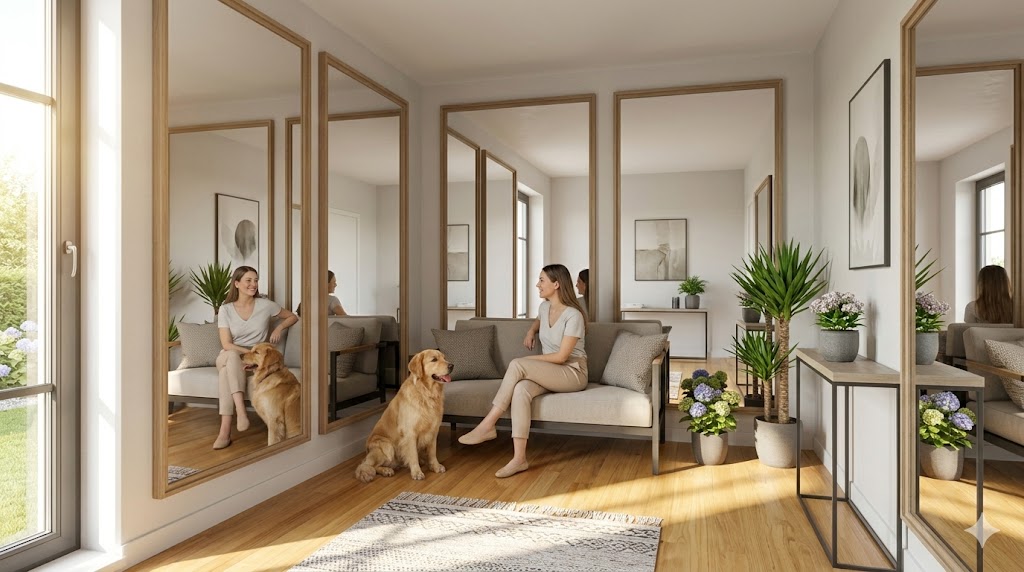
Why Wall Mirrors Are Essential for Small Spaces
In the realm of interior design, wall mirrors serve as powerful tools for enhancing the perception of space, particularly in small rooms. These reflective surfaces not only add aesthetic appeal but also create an illusion of depth and brightness, making cramped areas feel more open and inviting. This article delves into the various ways wall mirrors can transform small spaces, offering practical ideas and insights into their effective use. Readers will discover how mirrors enhance spatial perception, the best types and sizes for small apartments, optimal placement strategies, and how to combine mirrors with lighting for maximum effect. By understanding these concepts, individuals can effectively utilize mirrors to elevate their living spaces and create a more spacious atmosphere.
The fundamental principle behind using mirrors to transform small spaces lies in the strategic application of design elements to create optical illusions that alter visual perception.
Interior Design Illusions: Mirrors & Lighting for Space Perception
Beside physical methods to modify the limits of interior space, there are also some design decisions and tricks that can change the perception of a visual space. Therefore, it’s possible to correct interior without redesigning or destructions – breaking old walls and making new ones, for example, with the help of optical illusions that change visual perception of interior space. A room can be visually enlarged, deepened, broadened, heightened, narrowed, or lowered. Things like color, lighting, interior elements placement, integrated – horizontal or vertical – lines, shapes, mirrors and even style of interior equipment and finishing materials can correct the interior space because they can have a significant impact on the size, proportion and mood of a space. It’s possible to achieve great effects by combining knowledge of perception and knowledge of design.
Perception and illusion in interior design, A Jaglarz, 2011
How Do Wall Mirrors Enhance Spatial Perception in Small Rooms?
Wall mirrors enhance spatial perception by creating an illusion of depth and reflecting light, which can significantly alter the ambiance of a room. When strategically placed, mirrors can make a small room appear larger and more open. This effect is achieved through the reflection of both natural and artificial light, which brightens the space and adds dimension. The psychological impact of mirrors can also lead to a more inviting and comfortable environment, encouraging relaxation and social interaction.
What Is the Role of Light Reflection in Creating Space Illusions?
Light reflection plays a crucial role in creating space illusions within small rooms. Mirrors can redirect natural light from windows, amplifying brightness and reducing shadows. This increased illumination not only enhances the visual appeal of the room but also contributes to a sense of openness. By reflecting light, mirrors can make a space feel more airy and expansive, which is particularly beneficial in areas with limited natural light.
How Do Mirrors Affect Perceived Room Size and Depth?
Mirrors can significantly affect the perceived size and depth of a room. Research and expert opinions in interior design commonly suggest that well-placed mirrors can make a room appear noticeably larger, though specific percentage increases such as “up to 30%” vary depending on factors like mirror size and placement. This perception is influenced by the mirror’s size, shape, and placement.
For instance, a large mirror positioned opposite a window can create a striking visual effect, drawing the eye and enhancing the sense of space. Additionally, mirrors can add depth by reflecting other elements in the room, creating layers that contribute to a more dynamic environment.
Further supporting these observations, scientific research has specifically investigated how mirrors influence our perception of virtual image size and distance, contributing to the illusion of expanded space.
Mirror Perception: Virtual Image Size & Distance
We investigated spatial perception of virtual images that were produced by convex and plane mirrors. In Experiment 1, 36 subjects reproduced both the perceived size and the perceived distance of virtual images for five targets that had been placed at a real distance of 10 or 20 m. Experiment 2, 30 subjects verbally judged both the perceived size and the perceived distance of virtual images for five targets that were placed at each of five real distances of 2.5–45 m. In both experiments, the subjects received objective-size and objective-distance instructions.
The results were that (1) size constancy was attained for a distance of up to 45 m, (2) distance was readily discriminated within this distance range, although virtual images produced by the mirror of strong curvature were judged to be farther away than those produced by the mirrors of less curvature, and (3) the ratio of perceived size to perceived distance was described as a power function of visual angle, and the ratio for the convex mirror was larger than that for the plane mirror.
Mirror vision: Perceived size and perceived distance of virtual images, K Shimono, 2004
Which Mirror Types and Sizes Work Best for Small Apartments?
Choosing the right mirror types and sizes is essential for maximizing their impact in small apartments. Full-length mirrors, for example, are ideal for narrow spaces as they provide a functional aspect while also enhancing the illusion of height. Round mirrors can soften sharp angles and create a more inviting atmosphere, while mirrors with decorative frames can add character and style to the decor.
What Are the Benefits of Decorative Mirrors for Small Spaces?
Decorative wall mirrors offer both aesthetic and functional benefits for small spaces. They can serve as focal points, drawing attention and adding visual interest to otherwise plain walls. Additionally, decorative mirrors can enhance the overall decor by complementing existing color schemes and styles. Their versatility allows them to fit seamlessly into various design themes, from modern to traditional.
How to Choose Mirror Dimensions That Maximize Space Efficiency?
When selecting mirror dimensions for small spaces, it is crucial to consider wall space and furniture layout. A checklist for choosing the right dimensions includes:
- Assessing Wall Space: Measure the available wall area to determine the maximum size for the mirror.
- Considering Furniture Layout: Ensure the mirror complements the existing furniture arrangement without overwhelming the space.
- Choosing Proportions: Opt for proportions that enhance the room’s overall aesthetic, such as tall mirrors for height or wide mirrors for breadth.
Where Should You Place Mirrors in Small Spaces for Maximum Effect?
The placement of mirrors in small spaces is vital for achieving the desired visual impact. Proper positioning can enhance light reflection and create a more spacious feel.
What Are the Best Wall Mirror Placement Strategies for Small Rooms?
Effective wall mirror placement strategies include positioning mirrors opposite windows to maximize light reflection and avoiding direct placement across from each other, which can create a disorienting effect. Additionally, placing mirrors at eye level can enhance their functionality and aesthetic appeal, making them more engaging and useful.
How Does Mirror Orientation Influence Light and Spatial Perception?
Mirror orientation significantly influences light and spatial perception. Horizontal mirrors can create a sense of width, making a room feel broader, while vertical mirrors can add height, drawing the eye upward. Understanding these effects allows for more strategic placement, enhancing the overall design and functionality of the space.
How Can Combining Mirrors with Lighting Improve Small Space Design?
Combining mirrors with lighting can dramatically improve the design of small spaces. The interplay between light and reflection can create a warm, inviting atmosphere that enhances the overall aesthetic.
What Lighting Techniques Enhance Mirror Reflection Benefits?
To maximize the benefits of mirror reflections, consider using warm lighting to create a cozy ambiance. Positioning lights strategically to avoid glare can also enhance the mirror’s reflective qualities. Techniques such as wall sconces or recessed lighting can provide even illumination, further amplifying the mirror’s effect.
How Do Mirrors and Light Work Together to Create a Space Illusion?
Mirrors and light work synergistically to create a space illusion by amplifying natural light and enhancing the room’s brightness. For instance, a well-placed mirror can reflect light from a lamp or window, creating a brighter and more open feel. This combination not only improves the room’s functionality but also elevates its aesthetic appeal.
What Decorative Mirror Styles Save Space and Elevate Small Room Aesthetics?
Certain decorative mirror styles are particularly effective in saving space while enhancing the aesthetics of small rooms. Mirrors with built-in storage or multifunctional designs can provide practical solutions without sacrificing style.
Which Multifunctional Mirror Designs Are Ideal for Compact Living?
Multifunctional mirror designs, such as those that double as shelves or incorporate integrated lighting, are ideal for compact living. These designs maximize utility while maintaining a sleek appearance, making them perfect for small spaces where every inch counts.
How to Integrate Mirrors Seamlessly into Small Apartment Interior Design?
Integrating mirrors into small apartment interior design involves matching mirror styles with existing decor and using them to enhance color schemes. For example, a vintage-style mirror can complement rustic decor, while a modern frameless mirror can enhance contemporary aesthetics. By considering the overall design theme, mirrors can be seamlessly incorporated to elevate the space.