
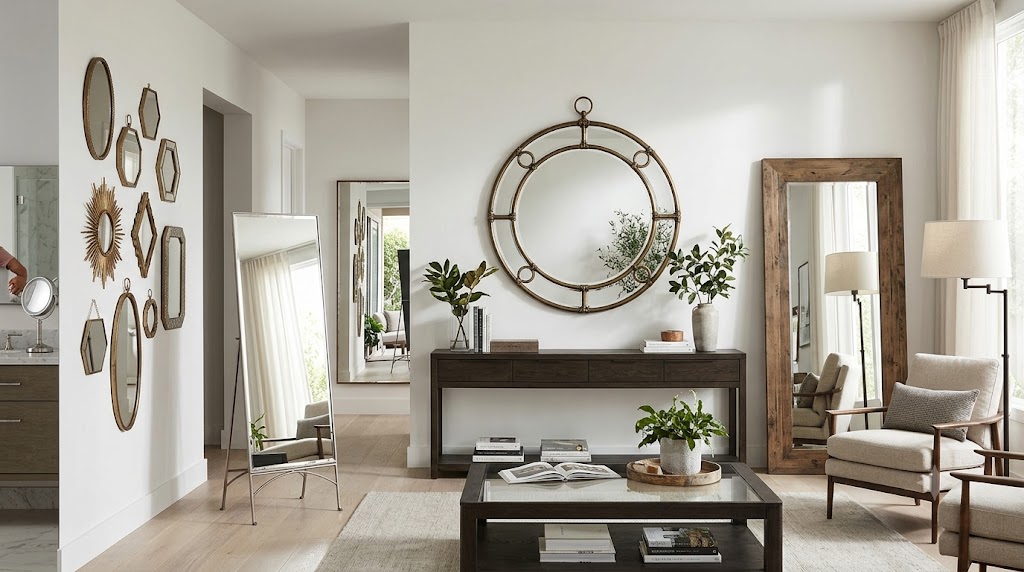
Wall Mirrors, Floor Mirrors, and More: Understanding Mirror Types
Mirrors are among the most versatile features in modern home design. While they are often associated with functionality, their impact extends far beyond providing a reflection. Mirrors can brighten interiors, create the illusion of more space, enhance architectural details, and serve as striking decorative elements. Whether installed in a living room, bedroom, bathroom, hallway, or entryway, mirrors have the power to transform how a space looks and feels.
Homeowners in Morgan are increasingly incorporating mirrors into their interior design plans to maximize both style and practicality. With so many options available, understanding the different Types of Mirrors can help homeowners choose the right solutions for their specific needs. From classic wall mirrors to elegant floor mirrors and innovative smart mirrors, each type offers unique benefits that contribute to a more attractive and functional home.
As interior design trends continue to evolve, mirrors remain a timeless feature that adapts effortlessly to changing styles. Learning about the various mirror options available today can help homeowners make informed decisions that enhance both aesthetics and everyday living.
Why Mirrors Play an Important Role in Interior Design
Interior designers frequently rely on mirrors because they serve multiple purposes simultaneously. Unlike many decorative accessories that simply occupy space, mirrors actively improve a room’s appearance and functionality.
One of the most significant advantages of mirrors is their ability to reflect light. Natural sunlight and artificial lighting bounce off mirror surfaces, helping rooms appear brighter and more inviting. This effect is especially beneficial in homes with smaller rooms or limited natural light.
Mirrors also contribute to a sense of spaciousness. By reflecting surrounding areas, they create visual depth that makes rooms appear larger than their actual dimensions. This optical illusion can dramatically improve the feel of compact spaces without requiring structural modifications.
Additionally, mirrors provide decorative value. Their frames, shapes, and finishes can complement virtually any interior design style, from traditional and farmhouse-inspired décor to sleek contemporary aesthetics.
Understanding the different Types of Mirrors allows homeowners to use these benefits strategically throughout their homes.
Wall Mirrors: The Most Popular Choice
Wall mirrors are among the most common mirror styles found in residential interiors. Mounted directly onto walls, they provide both practical and decorative benefits while conserving valuable floor space.
These mirrors can be used in nearly every room of the house. Living rooms, dining rooms, bedrooms, hallways, bathrooms, and entryways all benefit from thoughtfully placed wall mirrors. Depending on size and design, wall mirrors can either blend seamlessly into the background or serve as prominent focal points.
Large wall mirrors are particularly effective at enhancing natural light and making rooms appear more spacious. When positioned opposite windows, they reflect outdoor views and distribute sunlight throughout the space.
Because of their versatility and wide range of available styles, wall mirrors remain one of the most widely used mirror options in modern homes.
Benefits of Wall Mirrors
Wall mirrors offer numerous advantages that contribute to their popularity. One major benefit is their ability to improve room brightness. Reflecting light throughout a space helps reduce dark corners and creates a more welcoming atmosphere.
Another advantage is their space-saving design. Since wall mirrors do not occupy floor space, they are ideal for smaller homes, apartments, and compact rooms where maximizing square footage is important.
Wall mirrors also help establish visual balance within a room. Designers often use them to create symmetry, complement furniture arrangements, and highlight architectural features.
Their adaptability allows homeowners to choose from countless styles, ensuring a suitable option for virtually any décor theme.
Floor Mirrors: Functionality Meets Elegance
Floor mirrors have become increasingly popular in contemporary interior design. Unlike wall-mounted mirrors, floor mirrors stand directly on the floor or lean against a wall, creating a more dramatic visual presence.
These mirrors are commonly found in bedrooms, dressing rooms, walk-in closets, and entryways. Their large size provides full-body reflections, making them highly practical for dressing and personal grooming.
In addition to their functionality, floor mirrors contribute significantly to a room’s overall design. Their substantial size helps create a sense of luxury while enhancing perceived space and brightness.
Many homeowners appreciate floor mirrors because they offer both convenience and decorative appeal in a single design element.
Why Floor Mirrors Are Trending
Several factors have contributed to the growing popularity of floor mirrors. Modern design trends emphasize openness, simplicity, and versatility, all of which align well with floor mirror installations.
Leaning floor mirrors have become particularly fashionable because they require minimal installation and can be repositioned easily. This flexibility allows homeowners to experiment with different layouts and design concepts without making permanent changes.
Floor mirrors are also available in a variety of styles, including rustic wood frames, sleek metal finishes, minimalist frameless designs, and ornate decorative options. This variety ensures compatibility with virtually any interior aesthetic.
As homeowners continue seeking stylish and practical design solutions, floor mirrors remain a highly attractive option.
Full-Length Mirrors for Everyday Use
Full-length mirrors are among the most practical Types of Mirrors available. Designed to provide a complete reflection of the body, these mirrors are essential in bedrooms, closets, dressing rooms, and entryways.
Their functionality makes them ideal for outfit selection, grooming, and appearance checks. At the same time, full-length mirrors contribute to interior design by reflecting light and increasing visual depth.
Many homeowners choose full-length mirrors because they combine daily convenience with aesthetic enhancement. Their tall, vertical design can also make ceilings appear higher, further contributing to a sense of spaciousness.
Available in both wall-mounted and freestanding styles, full-length mirrors remain a staple feature in modern homes.
Decorative Mirrors as Focal Points
Decorative mirrors trends prioritize aesthetics while still providing reflective functionality. These mirrors are often selected for their artistic value and ability to enhance a room’s overall appearance.
Decorative mirrors come in numerous styles, including circular designs, geometric patterns, abstract shapes, and custom artistic creations. Frames may feature intricate carvings, metallic finishes, natural wood textures, or contemporary minimalist details.
Homeowners frequently install decorative mirrors above fireplaces, console tables, sideboards, and entryway furniture where they serve as eye-catching focal points.
Because they function as both décor and mirrors, decorative designs offer exceptional versatility and visual impact.
Frameless Mirrors for Contemporary Spaces
Frameless mirrors have become a hallmark of modern interior design. Their clean edges and minimalist appearance create a sleek look that complements contemporary environments.
Without a visible frame, these mirrors provide uninterrupted reflection and contribute to a more open, uncluttered aesthetic. They are especially popular in bathrooms, home gyms, and minimalist living spaces.
Frameless mirrors work particularly well in smaller rooms because they maximize reflective surface area while minimizing visual distractions.
Their simplicity and versatility make them a favorite choice among homeowners seeking a modern design approach.
Framed Mirrors for Added Character
Framed mirrors remain a timeless option because they introduce texture, color, and personality into a room. The frame itself becomes a decorative feature that complements surrounding furnishings and architectural details.
Wood-framed mirrors often suit traditional, farmhouse, and rustic interiors. Metal frames pair well with industrial and contemporary designs, while ornate decorative frames create a sense of luxury and sophistication.
The wide variety of available frame styles allows homeowners to customize their mirrors according to their personal preferences and overall design themes.
Framed mirrors demonstrate how functional elements can also serve as meaningful decorative accents.
Bathroom Mirrors and Their Evolving Design
Bathroom mirrors are among the most frequently used mirrors in any home. While their primary purpose is to support daily grooming routines, modern bathroom mirrors contribute significantly to overall bathroom design.
Large vanity mirrors remain especially popular because they maximize reflected light and create a more spacious appearance. Frameless styles continue to dominate contemporary bathrooms due to their clean aesthetic.
Advanced features such as LED lighting, anti-fog technology, touch controls, and smart-home integration have further expanded the functionality of bathroom mirrors.
These innovations demonstrate how mirrors continue to evolve alongside changing homeowner expectations and technological advancements.
Smart Mirrors: The Future of Home Design
Technology is reshaping residential interiors, and smart mirrors represent one of the most exciting developments in modern home design.
Smart mirrors combine traditional reflection with digital capabilities. They may display weather updates, calendars, news feeds, fitness metrics, traffic reports, and smart-home controls. Some models also include voice assistants and touch-screen functionality.
These mirrors are particularly popular in bathrooms, dressing rooms, and home gyms where users can benefit from their interactive features.
As smart-home technology becomes increasingly common, smart mirrors are expected to play a larger role in future interior design trends.
Comparison of Popular Mirror Types
| Mirror Type | Primary Benefit | Best Location |
|---|---|---|
| Wall Mirror | Brightens rooms and saves space | Living rooms, hallways |
| Floor Mirror | Full-body reflection and style | Bedrooms, entryways |
| Full-Length Mirror | Daily grooming convenience | Closets, bedrooms |
| Decorative Mirror | Creates visual focal points | Living rooms, dining rooms |
| Frameless Mirror | Modern minimalist appearance | Bathrooms, gyms |
| Framed Mirror | Adds decorative character | Any room |
| Bathroom Mirror | Supports daily routines | Bathrooms |
| Smart Mirror | Integrates technology | Bathrooms, dressing areas |
How to Choose the Right Mirror
Selecting the ideal mirror depends on several factors, including room size, lighting conditions, design preferences, and intended use. Larger mirrors generally work well in compact spaces because they increase perceived openness and brightness.
Placement is equally important. Mirrors positioned opposite windows maximize natural light, while those reflecting attractive views or decorative elements enhance a room’s overall appearance.
Homeowners should also consider whether they need a mirror primarily for functionality, aesthetics, or a combination of both. Understanding these priorities helps narrow the available options and ensures a more successful design outcome.
By learning about the various Types of Mirrors, homeowners can make confident decisions that improve both beauty and practicality throughout their homes.
Frequently Asked Questions
1. What is the difference between wall mirrors and floor mirrors?
Wall mirrors are mounted directly to walls, while floor mirrors stand on the floor or lean against a wall and typically provide larger reflections.
2. Which mirror type is best for small rooms?
Large wall mirrors, frameless mirrors, and floor mirrors are particularly effective at making small spaces feel larger.
3. Are floor mirrors practical for everyday use?
Yes. Floor mirrors provide full-body reflections and are ideal for dressing, grooming, and enhancing room aesthetics.
4. What are the benefits of frameless mirrors?
Frameless mirrors offer a clean, modern appearance and maximize reflective surface area without adding visual clutter.
5. Are smart mirrors worth the investment?
For homeowners interested in convenience, technology integration, and modern functionality, smart mirrors can provide significant value.
Conclusion
Understanding the different Types of Mirrors available today allows homeowners to create spaces that are brighter, more functional, and visually appealing. From versatile wall mirrors and elegant floor mirrors to decorative statement pieces, frameless designs, and advanced smart mirrors, each option offers unique advantages that contribute to modern living. By selecting mirrors thoughtfully and placing them strategically, homeowners can enhance natural light, create the illusion of additional space, and elevate their overall interior design. For homeowners in Morgan seeking high-quality mirror and glass solutions, Berwyn Glass provides expert craftsmanship and professional guidance to help transform any room with beautiful custom mirror installations.